Поиск по каталогу печатных изданий
Простой поиск
Расширенный поиск
Простой поиск
Расширенный поиск
Найдено печатных изданий: 29
Поискать книги в электронном виде
1965
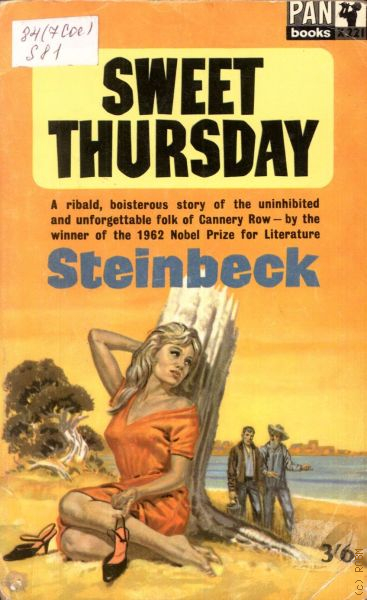
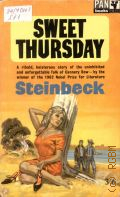
Steinbeck J., Sweet Thursday — 1965
Аннотация: In Monterey, on the California coast, Sweet Thursday is what they call the day after Lousy Wednesday, which is one of those days that are just naturally bad. Returning to the scene of Cannery Row?the weedy lots and junk heaps and flophouses of Monterey, John Steinbeck once more brings to life the denizens of a netherworld of laughter and tears from Fauna, new headmistress of the local brothel, to Hazel, a bum whose mother must have wanted a daughter.
1983
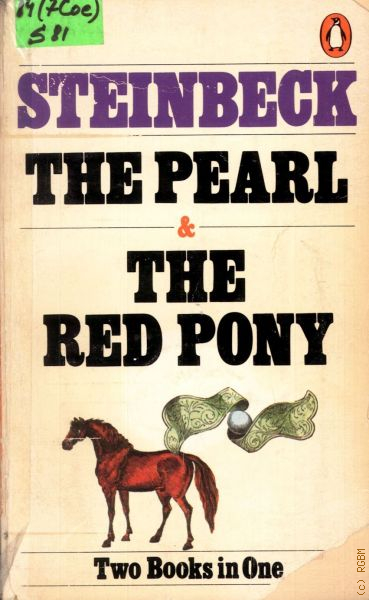
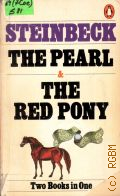
Steinbeck J., The Pearl & The Red Pony — 1983
Аннотация: The Pearl, an old Mexican folk tale, is deeply moving story of the great pearl, how it discovered, and how it - along with the dreams it represented - was lost. It is the story, too, of a family - the special solidarity of a man, a woman, and their child. The Red Pony, set on a ranch in the California mountains, is the story of the joy and sorrow a young boy finds in his responsibility for his horse. The memorable characters include the boy's impatient father; his grandfather, once "the leader of the people"; and the hired hand whom the boy believes to be invincible.

1981
Steinbeck J., Once There Was a War — 1981
Аннотация: Here are the hard-hitting dispatches that John Steinbeck wrote from England, Africa, and Italy at the height of World War II. "Steinbeck was not interested in strategy and generals, but in the soldiers, Gl or lieutenant, and what they did," said the Chicago Tribune. " No one has ever excelled him in this field. If you have forgotten what war was like, Steinbeck will refresh you. Age can never dull this kind writing."
1981
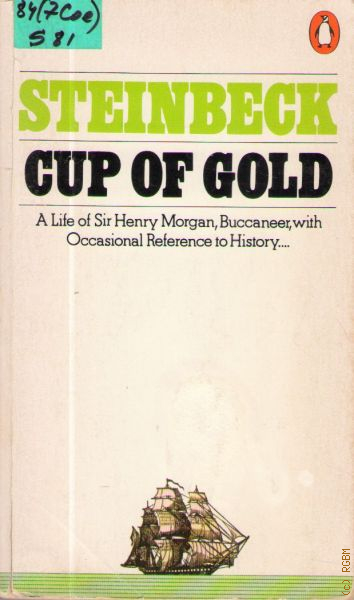
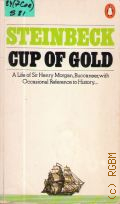
Steinbeck J., Cup of Gold — 1981
Аннотация: Cup of God is the story of the infamous pirate Henry Morgan. Around the year 1670, Morgan ruled the Spanish Main, ravaging the coasts of Cuba and America, striking terror wherever he went. Devoured by lust and greed, he still had two ambitions: to possess the mysterious woman known as La Santa Roja and to conquer Panama, the "cup of gold". This violent and exciting book is John Steinbeck's only historical novel.
1978
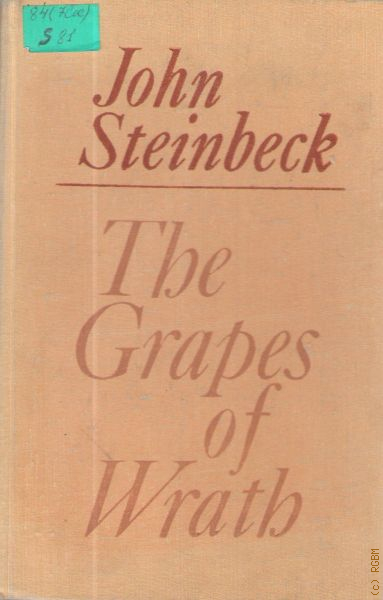
Steinbeck J., The Grapes of Wrath — 1978
Аннотация: Роман Джона Стейнбека - один из лучших в американской литературе ХХ века. Рассказывая о мытарствах семьи сельскохозяйственных рабочих в 30-е годы, писатель не только рисует образы высокой художественной убедительности и силы, но и воссоздает типичные картины жизни американских трудящихся. Издание сопровождается вступительной статьей и развернутым комментарием к тексту.
2007
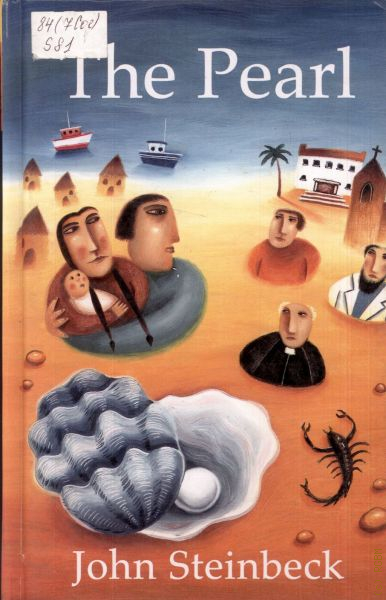
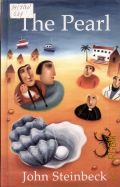
Steinbeck J., The Pearl — 2007 (New Longman Literature)
Аннотация: When Kino, a poor Mexican pearl-diver, finds a magnificent pearl — —the Pearl of the World— — he believes that all his dreams can come true. He will marry his wife in the church, wearing fine new clothes; their infant son will never want for anything — least of all the medicine so recently denied to him — and the boy might one day go to school, learn to read and write. But Kino—s vision of a bright future blinds him to the greed and fear the pearl arouses in his neighbours and in himself, and his shining dream begins to blacken and twist John Steinbeck—s timeless tale of wealth and the evil it can bring is powerfully illustrated by José Clemente Orozco.

2005
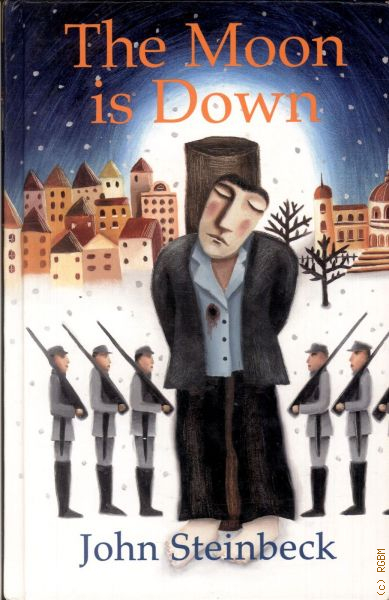
Steinbeck J., The Moon is Down — 2005 (New Longman Literature)
Аннотация: Free men cannot start a war, but once it is started, they can fight on in defeat." This compelling, dignified and moving novel was inspired by and based upon the Nazi invasion of neutral Norway. Set in an imaginary European mining town, it shows what happens when a ruthless totalitarian power is up against an occupied democracy with an overwhelming desire to be free. Hardback (including notes) 153pp
2007
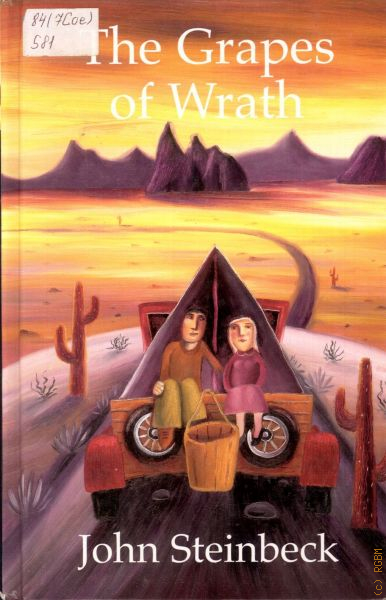
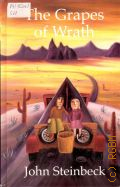
Steinbeck J., The Graps of Wrath — 2007 (New Longman Literature)
Аннотация: Set against the Great Depression of 1930s America, The Grapes of Wrath is a classic example of grand-scale American storytelling. When the book arrived in 1939 it met with some harsh criticism, as it contained strong language and posed many uncomfortable questions about society, politics and humanity. There is, undeniably, a bleakness about it, but this is outweighed by an unshakeable sense of hope which permeates through the most desperate of circumstances. Eminently readable, the book manages to say big, big things, but in the simplest language possible.
|
|