Поиск по каталогу печатных изданий
Простой поиск
Расширенный поиск
Простой поиск
Расширенный поиск
Найдено печатных изданий: 13
Поискать книги в электронном виде
![Кронин А. Д., Цитадель. [роман] — 2025 (Иностранная литература. Большие книги)](/searchcat/covers/RGUB-BIBL-0000939209.jpg)
2025
Кронин А. Д., Цитадель. [роман] — 2025 (Иностранная литература. Большие книги)
НЕЗАКОННОЕ ПОТРЕБЛЕНИЕ НАРКОТИЧЕСКИХ СРЕДСТВ; ПСИХОТРОПНЫХ ВЕЩЕСТВ И ИХ АНАЛОГОВ ПРИЧИНЯЮТ ВРЕД ЗДОРОВЬЮ; ИХ НЕЗАКОННЫЙ ОБОРОТ ЗАПРЕЩЕН И ВЛЕЧЕТ УСТАНОВЛЕННУЮ ЗАКОНОДАТЕЛЬСТВОМ ОТВЕТСТВЕННОСТЬ.
Аннотация: "Цитадель" - возможно, самая известная книга Кронина, это замечательный злободневный роман-притча о жизненном пути человека от его становления и развития до разложения и упадка личности под гнетом суровой реальности. Эндрю Мэнсон приезжает на первую в своей жизни практику с благородной целью: помочь как можно большему количеству людей. Он искренне хочет стать одним из тех, кто сможет по-настоящему прославить медицину. Все начинается с малого, но Эндрю не отступает перед трудностями: в захолустном городке молодой человек числится помощником доктора, но на самом деле он сам - доктор. Такова жизнь и Эндрю принимает вызов! Мало-помалу, меняя одну больницу за другой, Эндрю делает головокружительную карьеру. Однако за взлетами в один момент становится трудно обрести самого себя. Успешный доктор теперь гораздо реже задается глобальными вопросами о том, как изменить медицинскую систему.
2021
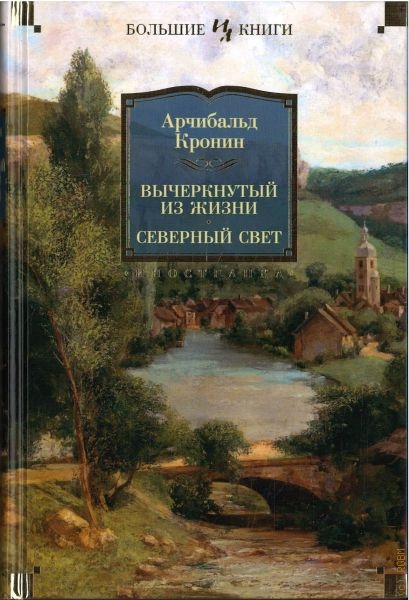
Кронин А. Д., Вычеркнутый из жизни. Северный свет. романы — 2021 (Иностранная литература. Большие книги)
Аннотация: Пол Мэтри, будучи уже взрослым, узнает новость, которая кардинально переворачивает его жизнь: оказывается, его отец отбывает наказание в тюрьме за жестокое убийство девушки... С этого момента перед Полом встает только один вопрос: виновен ли отец на самом деле и как найти истинные причины и обстоятельства уже давно забытой всеми трагедии? Ему предстоит распутать дело 15-летней давности... Генри Пейдж — редактор и владелец газеты «Северный свет», ставшей своего рода местной традицией в маленьком городке. На протяжении пяти поколений газета постепенно приобрела прочную репутацию принципиальности, объективности и добросовестности в подборе материала. И вот теперь могущественный газетный трест хочет ее купить. Но Генри не желает продавать газету и все силы отдает на борьбу с безжалостной монополией, чтобы сохранить свою веру, свою семью и даже саму свою жизнь.
2011
Учебное пособие по английской и американской литературе — 2011
Аннотация: Пособие знакомит с основными явлениями английской и американской литературы. Пособие содержит биографические сведения об авторе, анализ творчества и отрывки из произведений. Пособие рассчитано на учащихся средних школ, лицеев, гимназий, колледжей. Студентов высших учебных заведений, учителей и преподавателей, а также широкий круг лиц, самостоятельно изучающих английский язык.
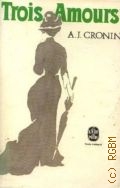
1970
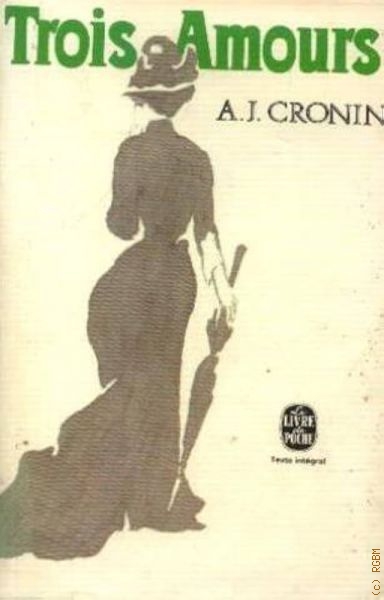
Cronin A. J., Trois Amours — 1970 (Le livre de poche)
Аннотация: Puisque M. Lennox a perdu son associ™, pourquoi ne le remplacerait-il pas par Frank ? Lucy Moore, qui veut contre vents et mar™e aider son mari ђ faire son chemin, d™cide d'organiser un dћner en l'honneur de M. Lennox pour lui poser la question. Personne ne lui ayant appris les finesses de la diplomatie, la soir™e tourne ђ sa confusion. Elle en rend responsable Anna, cousine de son mari, dont les interventions ironiques n'ont pas peu contribu™ ђ g’cher ses projets. De fil en aiguille, Lucy devient involontairement cause de la mort de Frank. De cette ™preuve elle ne tire aucune morale, ™tant trop occup™e ђ gagner sa vie et celle de son fils Peter. Acceptant toutes les privations, elle travaille pour b’tir l'avenir de Peter. Ses plans sont trac™s : elle se reposera quand il sera m™decin. Mais l'ingratitude est une des tares humaines les plus r™pandues et Peter n'en est pas exempt. Abandonn™e pour une riche fianc™e, la s™v�re Ecossaise reporte vers Dieu l'™nergie et l'amour vou™s jusque-lђ au service de Frank et de Peter. La rigidit™ de la vie conventuelle sera le dernier obstacle o© se brisera le personnage path™tique de Lucy Moore.
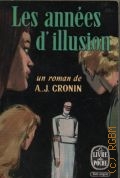
1965
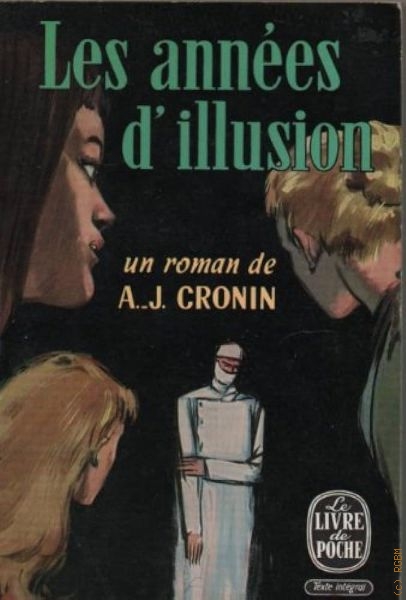
Cronin A. J., Les annees d illusion — 1965 (Le livre de poche)
Аннотация: S'il obtient ce poste de secr™taire de mairie que sa m�re ambitionne pour lui, Duncan Stirling sait qu'il restera ђ jamais enterr™ ђ Levenford alors qu'il rљve d'љtre m™decin. Le poste lui ™chappe, car sa rude fiert™ ™cossaise l'empљche de courber l'™chine devant le Conseil municipal, et sa m�re le chasse, mais il est libre enfin d'aller tenter sa chance ђ St Andrews pour une bourse d'™tude et, en chemin, au village de Linton, il se lie avec le docteur Murdoch et sa fille Jeanne dont l'amiti™ lui sera pr™cieuse. Il faut cinq ans pour conqu™rir le titre de m™decin. Cinq ans de luttes et de pauvret™ qui d™boucheront sur quel avenir puisqu'il a un bras atrophi™ par la poliomy™lite ? Son camarade d—enfance et rival Overton le lui rappelle sans m™nagement. Cet- obstacle-lђ n'existe bient¤t plus. La chirurgienne c™l�bre Anna Geisler l'op�re, le gu™rit, le prend comme assistant. La voie est trac™e vers la revanche que Duncan compte depuis toujours prendre sur Overton, sur l'existence mљme, une voie aust�re jalonn™e de hautes responsabilit™s et d'honneurs. Mais est-ce un but qui en vaut vraiment la peine ? Toutes ces ann™es de travail acharn™ n'ont-elles pas ™t™ des ann™es d'illusion ? Un jour, la question se pose et Duncan devra trouver la r™ponse.
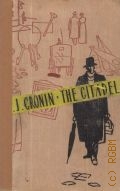
1957
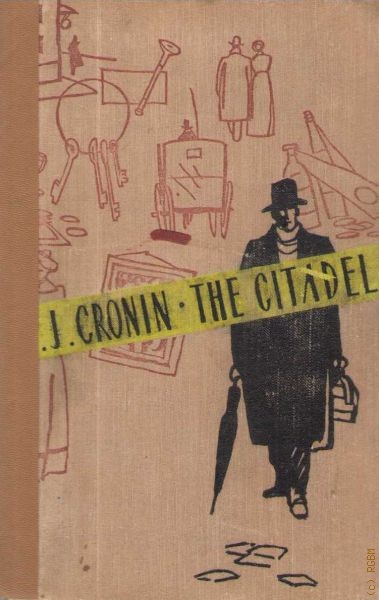
Cronin A. J., The citadel — 1957
НЕЗАКОННОЕ ПОТРЕБЛЕНИЕ НАРКОТИЧЕСКИХ СРЕДСТВ; ПСИХОТРОПНЫХ ВЕЩЕСТВ И ИХ АНАЛОГОВ ПРИЧИНЯЮТ ВРЕД ЗДОРОВЬЮ; ИХ НЕЗАКОННЫЙ ОБОРОТ ЗАПРЕЩЕН И ВЛЕЧЕТ УСТАНОВЛЕННУЮ ЗАКОНОДАТЕЛЬСТВОМ ОТВЕТСТВЕННОСТЬ.
Аннотация: The best-known novel of the scottish novelist and psysician A.J. Cronin is about a doctor in a Welsh mining village who quickly moves up the career ladder in London. Cronin had observed this scene closely as a Medical Inspector of Mines and later as a doctor in Harley Street. This book promoted controversial new ideas about medical ethics which largely inspired the launch of the National Health Service.

1977
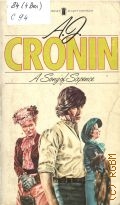
1979
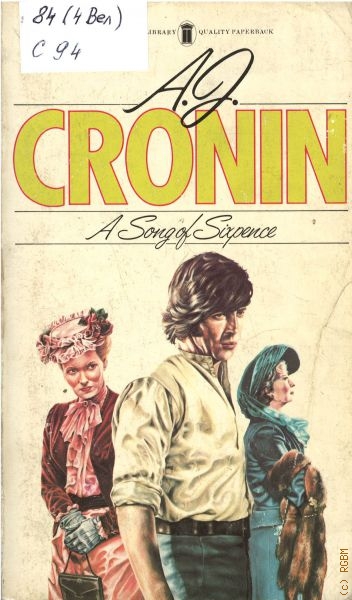
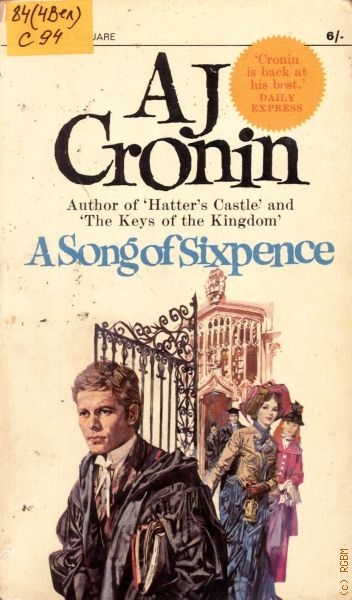
Cronin A. J., A Song of Sixpence — 1979
Аннотация: In the heat of late afternoon, a young boy waits at the station for his father. A plume of steam, white against the purple-heathered hills, marks the train. Beyond, blooming along the shoreline, the flowers of high summer, as a tall-funnelled paddle steamer beats and froths down the wide Clyde estuary . . A narrative in the great Cronin tradition, this is the stirring chronicle of Laurence Carroll as he grows from childhood to adult years in Scotland. The tale of his struggles - early illness, a widowed mother, poverty, the uncles who try to help him, and the women who have such an unhappy effect upon him, is told with warm humour and with that intense and sympathetic realism for which A J Cronin is known. In the magnificent narrative tradition of The Citadel, The Stars Look Down and Cronin's other classic novels, A Song of Sixpence is a great book by a much-loved author.
1967
Cronin A. J., Three Loves — 1967
Аннотация: Three Loves is a 1932 novel by A.J. Cronin about the loves of Lucy Moore — her husband, her son, and God. Initially published by Gollancz, the story demonstrates how a virtue can become a vice when misguided in seeking rewards other than those in and of itself. The self-satisfied Lucy loves her husband, yet she yearns to improve him so that she can love him even more. To teach him hospitality she invites Cousin Anna, against his protest, to their home. Anna's free and easy behavior soon makes Lucy forget hospitality, and she thinks only of her husband's possible infidelity, which eventually alienates him. When her husband is driven from the house, Anna goes with him, but he is drowned in the ensuing pursuit. Lucy then turns to her son, Peter, and works extremely hard so that he may become a doctor. She accepts no help and refuses to even marry in order to preserve the purity of her motives. Her motherly love is not so pure as she thinks; when Peter marries, her life is ruined once again. Disappointed in men, Lucy gives all her love to God. As an aged novice in a Belgian monastery, she forces herself to endure disciplinary mortifications for her new love's sake. However, her wearied body cannot stand the strain, and growing sick, she is sent back to England. When her son, through no fault of his own, fails to meet her train, she waits for him on the station platform until she falls. After a brief agony in a hospital, Lucy dies.
1959
Cronin A. J., Adventures in Two Worlds — 1959
Аннотация: Adventures in Two Worlds is the 1952 autobiography of Dr. A. J. Cronin, in which he relates, with much humour, the exciting events of his dual career as a medical doctor and a novelist.

1953
1977
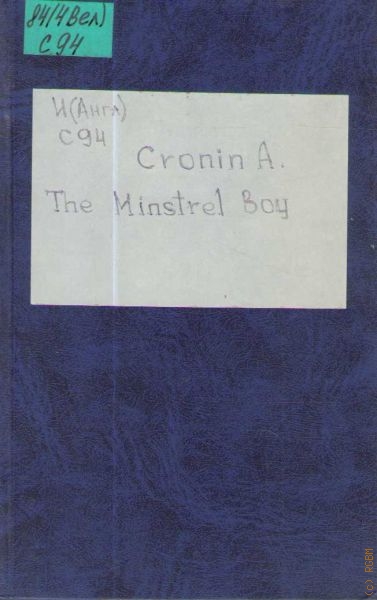
Cronin A. J., The Minstrel Boy — 1977
Аннотация: The story concerns the life of a young priest called Desmonde Fitzgerald. In his seminary he is noted for his magnificent singing voice, his practical jokes and his good looks which make him inordinately attractive to women. In his first clerical posting in Ireland, the lady of the manor falls in love with him, but he is seduced by her niece, whom he later marries. He becomes a musician and lives in poverty in Dublin, where his wife deserts him and later dies in Switzerland. After a period in Spain he is given a second chance and becomes a missionary to India, where he again risks becoming involved with a rich local woman but this time escapes. The book contains the classic Cronin features of human weakness and failure with ultimate redemption.
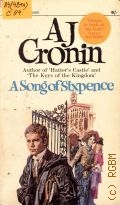
1966
Cronin A. J., A Song of Sixpence — 1966
Аннотация: In the heat of late afternoon, a young boy waits at the station for his father. A plume of steam, white against the purple-heathered hills, marks the train. Beyond, blooming along the shoreline, the flowers of high summer, as a tall-funnelled paddle steamer beats and froths down the wide Clyde estuary . . A narrative in the great Cronin tradition, this is the stirring chronicle of Laurence Carroll as he grows from childhood to adult years in Scotland. The tale of his struggles - early illness, a widowed mother, poverty, the uncles who try to help him, and the women who have such an unhappy effect upon him, is told with warm humour and with that intense and sympathetic realism for which A J Cronin is known. In the magnificent narrative tradition of The Citadel, The Stars Look Down and Cronin's other classic novels, A Song of Sixpence is a great book by a much-loved author.
|
|




![Кронин А. Д., Цитадель. [роман] — 2025 (Иностранная литература. Большие книги)](/searchcat/covers/RGUB-BIBL-0000939209-large.jpg)